
| Download the amazing global Makindo app: ✅ Means NICE/National Guidelines 2026 compliant Android | Apple | |
|---|---|
| MEDICAL DISCLAIMER: Educational use only. Not for diagnosis or management. See below for full disclaimer. |
Anatomy and Physiology: Human
Related Subjects: |AP of the Oesophagus |AP of the Diaphragm |AP of the Large Bowel (Colon, Rectum, Anal Canal) |AP of Small Bowel |AP of the Biliary system |AP of the Bone Marrow |AP of the Eye |AP of the Pharynx |AP of the Larynx |AP of the Ear |AP of the Nose |AP of Male Genitalia |AP of the Breast |AP of the Stomach |AP of the Rectum |AP of the Spleen
🧍 Introduction
Human anatomy is the study of the body’s structure – from microscopic tissues to entire organ systems. It forms the foundation for understanding physiology, health, and disease. 🔑 Key principle: Anatomy underpins every clinical decision, from examination to surgery.
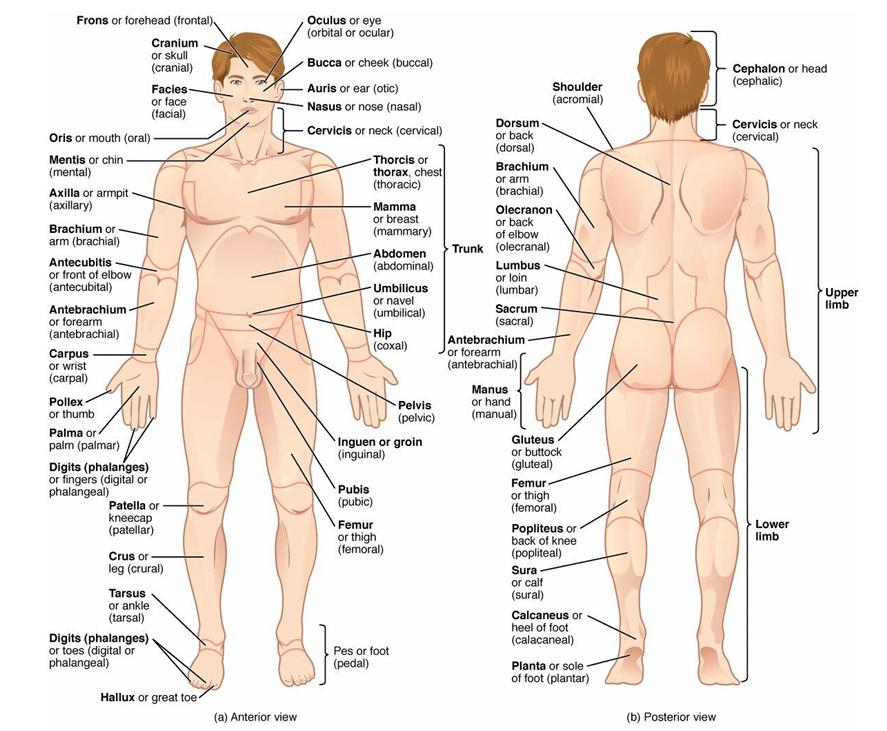
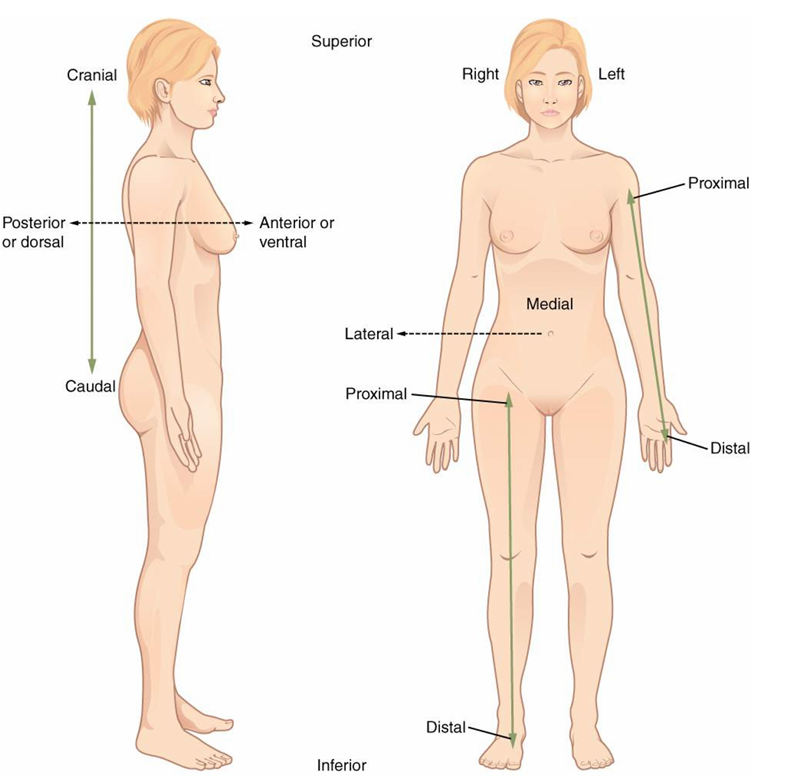
📖 Terminology
🦴 Skeletal System
The adult skeleton contains 206 bones. It provides support, protects vital organs, enables movement, and acts as a mineral reservoir. 📌 Bone marrow within long bones produces blood cells (haematopoiesis).
- Axial skeleton: Skull, vertebral column, ribs, sternum.
- Appendicular skeleton: Limbs + pectoral and pelvic girdles.
- Clinical: Osteoporosis → fractures of hip, vertebrae, wrist.
💪 Muscular System
Over 600 muscles enable voluntary and involuntary movements. They generate posture, movement, and heat.
- Skeletal muscle: Voluntary, striated, attached to bones.
- Smooth muscle: Involuntary, in GI tract, vessels.
- Cardiac muscle: Specialised, involuntary, only in heart.
- Clinical: Myopathies and neuromuscular diseases impair mobility.
🧠 Nervous System
- CNS: Brain & spinal cord → integration, control.
- PNS: Cranial & spinal nerves → communication with body.
- Clinical: Stroke, dementia, neuropathies highlight the importance of neural networks.
❤️ Cardiovascular System
- Heart: Central muscular pump.
- Vessels: Arteries (oxygen-rich), veins (return flow), capillaries (exchange).
- Clinical: Hypertension and atherosclerosis drive morbidity worldwide.
🌬️ Respiratory System
- Upper tract: Nose, pharynx, larynx → filter, humidify, phonation.
- Lower tract: Trachea, bronchi, lungs → alveolar gas exchange.
- Clinical: COPD, asthma, pneumonia → common in elderly & smokers.
🍽️ Digestive System
- GI tract: Oral cavity → esophagus → stomach → intestines.
- Accessory organs: Liver, pancreas, gallbladder aid digestion.
- Clinical: GERD, IBD, and malabsorption syndromes impact nutrition.
💧 Urinary System
- Kidneys: Filter blood, maintain electrolyte balance.
- Ureters, bladder, urethra: Transport and excrete urine.
- Clinical: CKD and UTIs are frequent geriatric presentations.
🧪 Endocrine System
- Hormone-secreting glands: pituitary, thyroid, parathyroid, adrenals, pancreas.
- Control metabolism, growth, reproduction.
- Clinical: Diabetes mellitus, thyroid disorders → common chronic conditions.
👩🍼 Reproductive System
- Male: Testes, epididymis, vas deferens, prostate, penis.
- Female: Ovaries, fallopian tubes, uterus, vagina.
- Clinical: Infertility, PCOS, prostate cancer are major issues.
🛡️ Integumentary System
- Skin, hair, nails, sweat & sebaceous glands.
- Barrier, thermoregulation, sensory reception.
- Clinical: Pressure sores & melanoma are vital considerations.
✅ Conclusion
Human anatomy underpins clinical practice:
🦴 Skeletal → support & movement.
🫀 Cardiovascular & 🧠 Nervous → integration & survival.
🍽️ Digestive, 💧 Urinary, 🧪 Endocrine → metabolism & homeostasis.
👩🍼 Reproductive & 🛡️ Integumentary → continuity & protection.
🔑 Take-home: Anatomy is not just structure → it’s the clinical map guiding diagnosis and treatment.
| The content on this website is provided for educational and informational purposes only to support exam preparation (e.g., MLA, MRCP, USMLE) and learning. This is NOT medical advice, diagnosis, treatment, or professional guidance. It does not replace consultation with a qualified healthcare professional, official guidelines (e.g., NICE, GMC, BNF), or supervised clinical practice. Always verify information with current, authoritative sources. Makindo and its contributors accept no liability for any reliance on this content, including errors, omissions, or any resulting harm, loss, or consequences. By using this site, you agree to these terms. |
|
|
Categories
- About
- Acute Medicine
- Anaesthetics and Critical Care
- Anatomy
- Anatomy and Physiology
- Biochemistry
- Book
- Cardiology
- Collections
- CompSci
- Crib Sheets
- Critical care
- Dental
- Dermatology
- Differentials
- Drugs
- ENT
- Electrocardiogram
- Embryology
- Emergency Medicine
- Endocrinology
- Ethics
- Foundation Doctors
- GCSE
- Gastroenterology
- General Practice
- Genetics
- Geriatric Medicine
- Geriatrics
- Guidelines
- Haematology
- Hepatology
- Immunology
- Infectious Diseases
- Infographic
- Investigations
- Lists
- MRCP
- Mandatory Training
- Medical Students
- Microbiology
- Nephrology
- Neurology
- Neurosurgery
- Nutrition
- OSCE
- Obstetrics Gynaecology
- Oncology
- Ophthalmology
- Oral Medicine and Dentistry
- Orthopaedics
- Paediatrics
- Palliative
- Palliative Care
- Pathology
- Pharmacology
- Physiology
- Procedures
- Psychiatry
- Public Health
- Radiology
- Respiratory
- Resuscitation
- Revision Topics
- Rheumatology
- Statistics and Research
- Stroke
- Surgery
- Toxicology
- Trauma and Orthopaedics
- USMLE
- Urology
- Vascular Surgery