
| Download the amazing global Makindo app: ✅ Means NICE/National Guidelines 2026 compliant Android | Apple | |
|---|---|
| MEDICAL DISCLAIMER: Educational use only. Not for diagnosis or management. See below for full disclaimer. |
Caesarean Section (CS)
🤰 About
- Pregnant women should be offered evidence-based information and support to make informed decisions about childbirth.
- Their views and concerns are integral to the decision-making process.
- Consent for caesarean section (CS) must be obtained respectfully, with dignity, privacy, and cultural sensitivity, while considering the clinical situation.
- The category and reason for CS must be clearly documented in maternity records by the decision-maker for safe communication between professionals.
📖 Definition
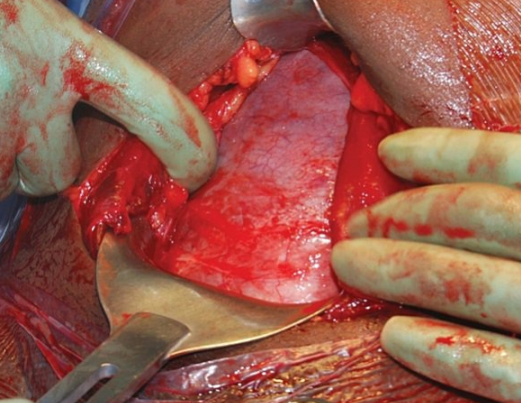
- Lower Segment Caesarean Section (LSCS): A surgical operation to deliver baby/babies through a cut in the abdomen and lower segment of the uterus (RCOG 2010).
🗓️ Elective LSCS
- Risk of neonatal respiratory morbidity is higher if CS is performed before 39+0 weeks; therefore avoid elective CS before this gestation (NICE 2011).
- A consultant obstetrician should always be involved unless immediate delivery is required for safety.
- Rapid delivery may be harmful in some situations - careful assessment is needed.
- A senior clinician must review all women pre-surgery, and the plan (including indication) should be clearly documented in the maternity EPR.
- Postoperative care plans must include appropriate observation and discussion of future pregnancy implications, documented before discharge.
🚨 GRADE 1: CRASH
- Definition: Immediate threat to mother or fetus. ➝ Aim for delivery <30 minutes.
- Immediate transfer to theatre; call consultant obstetrician & anaesthetist if required.
- Indications:
- Fetal bradycardia >4 minutes
- Abnormal CTG (no FBS available)
- FBS: lactate >4.8 or pH ≤7.20
- Massive abruption, uterine rupture, cord prolapse
- Failed instrumental delivery
- Maternal cardiac arrest (within 4 min to aid resuscitation)
- Advanced breech with rapid labour
⏱️ GRADE 2: URGENT
- Definition: Maternal or fetal compromise but not immediately life-threatening. ➝ Aim <75 minutes.
- Liaise with anaesthetist and transfer to theatre as soon as safe. Document delays.
- Coordinator to notify theatre, obstetric, anaesthetic, and paediatric teams.
- Indications:
- Non-reassuring CTG (not abnormal)
- Moderate abruption/APH
- Failure to progress
- Undiagnosed breech in labour
- Maternal exhaustion or request during labour
📌 GRADE 3: SCHEDULED
- Definition: Early delivery needed but no immediate compromise. ➝ Aim <24 hours.
- Consultant obstetrician specifies timing; coordinator informs full team.
- Indications:
- Planned LSCS in early labour/with pre-labour SROM
- Failed induction of labour
- Preeclampsia requiring CS after stabilisation
- IUGR needing delivery
- Delayed elective CS due to emergencies
📅 GRADE 4: PLANNED
- Definition: Planned on elective list, usually 39+0 to 39+6 weeks (consultant must approve earlier).
- Give antenatal steroids if <39 weeks.
- Can occasionally be booked at 41–42 weeks where induction is avoided.
- Indications:
- Placenta praevia (~38 weeks)
- Failed ECV
- Breech/malpresentation
- Multiple pregnancy (timing depends on chorionicity)
- Previous ≥2 LSCS or classical LSCS
- Previous major uterine surgery (e.g. myomectomy)
- Maternal request
- Medical/structural contraindications to vaginal delivery
👩⚕️ Duties: Consultant Obstetrician (Grades 1–3)
- Must be directly involved in decision, urgency classification, and communication with team.
- Support and supervise junior colleagues during high-risk cases.
👩⚕️ Duties: Specialty Obstetrician (Grades 1–3)
- Inform consultant on call, document grade & reason in maternity EPR, notify coordinator immediately.
- Explain risks/complications to woman and obtain written consent.
- Prescribe 40 mg IV omeprazole for emergency CS (unless oral given within 6 hrs).
- Ensure anaesthetic, paediatric, and theatre teams aware of urgency and comorbidities.
- Take cord blood samples and hand promptly to coordinator.
- Review woman within 24 hrs post-surgery; discuss delivery, future pregnancy implications, and document in maternity EPR.
📚 References
| The content on this website is provided for educational and informational purposes only to support exam preparation (e.g., MLA, MRCP, USMLE) and learning. This is NOT medical advice, diagnosis, treatment, or professional guidance. It does not replace consultation with a qualified healthcare professional, official guidelines (e.g., NICE, GMC, BNF), or supervised clinical practice. Always verify information with current, authoritative sources. Makindo and its contributors accept no liability for any reliance on this content, including errors, omissions, or any resulting harm, loss, or consequences. By using this site, you agree to these terms. |
|
|
Categories
- About
- Acute Medicine
- Anaesthetics and Critical Care
- Anatomy
- Anatomy and Physiology
- Biochemistry
- Book
- Cardiology
- Collections
- CompSci
- Crib Sheets
- Critical care
- Dental
- Dermatology
- Differentials
- Drugs
- ENT
- Electrocardiogram
- Embryology
- Emergency Medicine
- Endocrinology
- Ethics
- Foundation Doctors
- GCSE
- Gastroenterology
- General Practice
- Genetics
- Geriatric Medicine
- Geriatrics
- Guidelines
- Haematology
- Hepatology
- Immunology
- Infectious Diseases
- Infographic
- Investigations
- Lists
- MRCP
- Mandatory Training
- Medical Students
- Microbiology
- Nephrology
- Neurology
- Neurosurgery
- Nutrition
- OSCE
- Obstetrics Gynaecology
- Oncology
- Ophthalmology
- Oral Medicine and Dentistry
- Orthopaedics
- Paediatrics
- Palliative
- Palliative Care
- Pathology
- Pharmacology
- Physiology
- Procedures
- Psychiatry
- Public Health
- Radiology
- Respiratory
- Resuscitation
- Revision Topics
- Rheumatology
- Statistics and Research
- Stroke
- Surgery
- Toxicology
- Trauma and Orthopaedics
- USMLE
- Urology
- Vascular Surgery