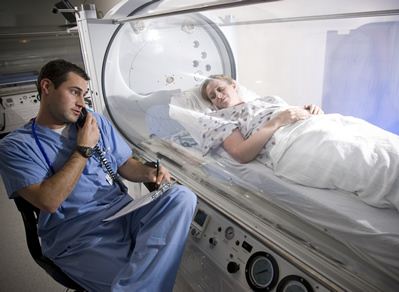
🌬️ Hyperbaric Oxygen Therapy (HBOT) involves delivering 100% oxygen at pressures greater than atmospheric (typically 2–3 ATA).
This markedly increases the dissolved oxygen content of plasma, driving diffusion into hypoxic tissues where haemoglobin saturation is already maximal.
💡 By elevating tissue oxygen tension, HBOT promotes healing, combats anaerobic infection, and reduces oedema.
📘 About
- HBOT exposes the patient to high-pressure oxygen within a sealed chamber.
- The inspired oxygen fraction rises from 21% (at sea level) to 100%, and the pressure elevation multiplies the partial pressure of oxygen (pO₂) to 10–20 times normal.
- This dramatically increases oxygen dissolved in plasma, improving oxygen delivery to hypoxic tissues even where blood flow is impaired.
- At the cellular level, oxygen enhances fibroblast proliferation, angiogenesis, collagen synthesis, and leukocyte bactericidal function.
🏥 Types of Hyperbaric Chambers
- Monoplace chamber: A single clear acrylic tube pressurised with oxygen - the patient lies inside, breathing 100% O₂ directly.
- Multiplace chamber: A steel chamber accommodating several patients, each breathing 100% O₂ via masks or hoods; staff (nurse/technician) accompany them breathing air.
🎯 Indications for HBOT
- Carbon monoxide poisoning (especially if neurological or cardiac involvement)
- Decompression sickness (“the bends”)
- Air or gas embolism
- Cyanide poisoning (adjunctive to antidotes)
- Clostridial myonecrosis (gas gangrene)
- Refractory osteomyelitis
- Severe anaerobic infections and necrotising soft-tissue infections
- Enhancement of healing in ischaemic or infected wounds (e.g. diabetic foot ulcers, pressure sores)
- Burns and compromised skin grafts or flaps
- Crush injuries with ischaemic tissue damage
⚠️ Contraindications (not always absolute)
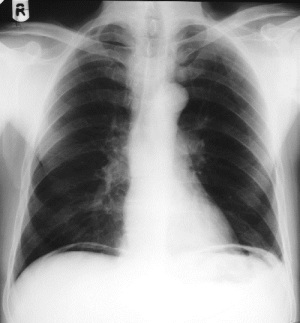
- Untreated pneumothorax (must be drained first)
- Concurrent bleomycin therapy (risk of pulmonary toxicity)
- Uncontrolled seizures
- Severe COPD with bullous disease (risk of barotrauma)
- Claustrophobia (may need sedation)
💥 Adverse Effects / Complications
- Middle-ear barotrauma - commonest; prevent with auto-inflation or tympanostomy tubes.
- Claustrophobia - managed by reassurance, anxiolysis, or use of multiplace chambers.
- Oxygen toxicity - CNS (seizures) or pulmonary (cough, chest tightness); mitigated by limiting exposure duration.
- Transient myopia - due to lens refractive changes; reversible after cessation.
- Pulmonary barotrauma - rare, especially if airways obstructed.
🧠 Teaching Point
HBOT exploits Henry’s Law: the amount of gas dissolved in a liquid is proportional to its partial pressure.
By dramatically raising plasma oxygen tension, HBOT bypasses haemoglobin carriage limits.
It is particularly valuable where tissue hypoxia is present despite adequate blood flow, or where microvascular perfusion is compromised - for example, in CO poisoning or necrotising infection.
However, its role remains adjunctive: it complements, but never replaces, debridement, antibiotics, or definitive management.
📚 References
🕓 Revisions
- 2025-10 - Reviewed and expanded by Dr O’Kane (Makindo edition)
