
| Download the amazing global Makindo app: ✅ Means NICE/National Guidelines 2026 compliant Android | Apple | |
|---|---|
| MEDICAL DISCLAIMER: Educational use only. Not for diagnosis or management. See below for full disclaimer. |
Achondroplasia ✅
Related Subjects: |Achondroplasia ✅ |Biliary atresia | Acute Epiglottitis | Croup | Acute Tracheitis | Stridor | Acute Bacterial Meningitis (Children) |Asthma |Cystic Fibrosis |Bronchiolitis |Sweat Test |Acute Severe Asthma
🧬 Achondroplasia is the most common non-lethal skeletal dysplasia and is caused by an activating mutation in the fibroblast growth factor receptor-3 (FGFR3) gene on chromosome 4. Most affected individuals have good long-term outcomes, but careful monitoring is important because complications can involve the foramen magnum, airway / sleep, ears, spine, and lower limbs.
📖 About
- 🦴 A non-lethal chondrodysplasia causing disproportionate short stature.
- 🧩 A disorder of endochondral bone formation, so cartilage does not convert to bone normally at the growth plate.
- 📊 It is the most common skeletal dysplasia associated with disproportionate short stature.
🧬 Aetiology & Genetics
- Genetic mutation: 🔬 Caused by an FGFR3 mutation producing an overactive receptor that suppresses long bone growth.
- Chromosome: 🧬 FGFR3 is located on chromosome 4.
- Inheritance pattern: 👨👩👧 Autosomal dominant.
- De novo disease: 🌱 Most cases arise as a new (de novo) mutation, so many affected children are born to average-stature parents.
- Recurrence risk: 📌 If one parent is affected, each child has a 50% chance of inheriting achondroplasia.
⚙️ Pathophysiology
- FGFR3 normally restrains bone growth; in achondroplasia it is overactive, excessively inhibiting proliferation and differentiation of chondrocytes in the growth plate.
- This leads to impaired endochondral ossification, particularly affecting the long bones, skull base, and vertebral anatomy.
- Result: rhizomelic limb shortening, macrocephaly, midface hypoplasia, and a predisposition to foramen magnum narrowing and spinal stenosis.
🩺 Clinical Features
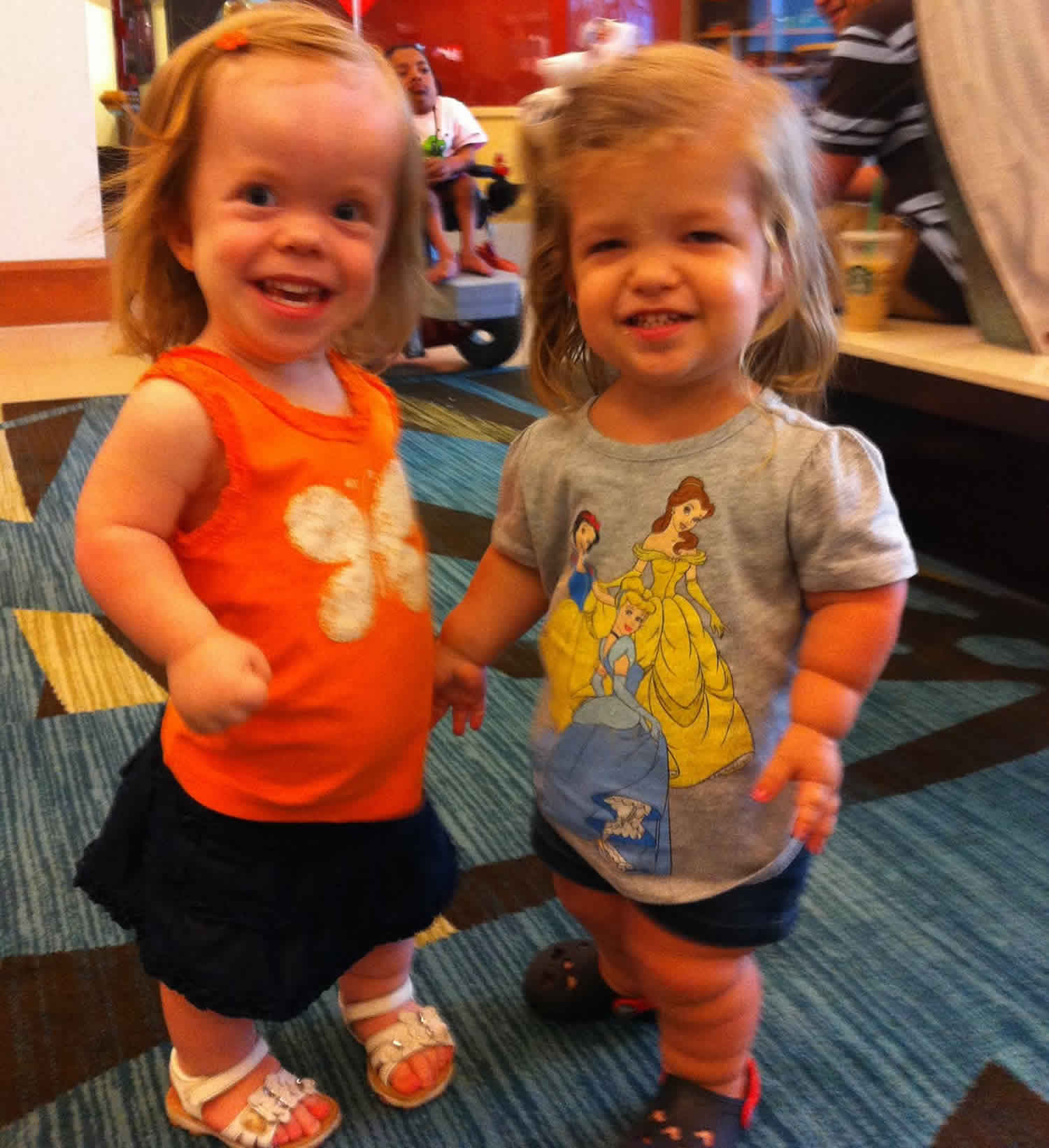
- 📏 Short stature: Disproportionate short stature with relatively preserved trunk length.
- 🦵 Rhizomelic limb shortening: Shortening most marked in the upper arms and thighs.
- 🧠 Craniofacial features: Macrocephaly, frontal bossing, depressed/sunken nasal bridge, and midface hypoplasia.
- 🖐️ Limb / joint features: Short fingers, sometimes a trident hand appearance, and limited elbow extension.
- 🌀 Spinal features: Thoracolumbar kyphosis in infancy, lumbar lordosis later, and risk of spinal stenosis.
- 💤 Neurological / respiratory risk: Foramen magnum stenosis can cause cervicomedullary compression, altered tone, apnoea, breathing difficulties, and developmental issues.
- 😴 Sleep-disordered breathing: Snoring and obstructive or central sleep apnoea may occur.
- 👂 ENT issues: Recurrent otitis media, glue ear, conductive hearing problems.
- 🦴 Orthopaedic issues: Bowed legs, gait abnormalities, pain, and reduced exercise tolerance.
- 😁 Dental issues: Dental crowding and delayed eruption may occur.
🧪 Diagnosis
- Clinical diagnosis: Often suspected from characteristic body proportions and craniofacial features at birth or antenatally.
- Radiology: Skeletal imaging may support diagnosis by showing characteristic bony changes.
- Genetic confirmation: Diagnosis can be confirmed with FGFR3 testing.
- Growth assessment: Use achondroplasia-specific growth and developmental charts rather than standard population charts.
🚨 Important Complications to Screen For
- Foramen magnum stenosis: May cause cord compression, breathing problems, or sudden deterioration in infancy.
- Sleep-disordered breathing: Requires assessment if snoring, apnoea, poor sleep, or daytime symptoms occur.
- Hydrocephalus / raised intracranial pressure: Consider if rapid head growth, vomiting, irritability, or neurological symptoms develop.
- Hearing problems: Recurrent middle-ear dysfunction can affect speech and language development.
- Spinal stenosis: May present later with pain, numbness, weakness, or neurogenic claudication.
🛠️ Management
- 👨⚕️ Multidisciplinary care: Follow-up with paediatrics, clinical genetics, orthopaedics, neurosurgery, ENT, audiology, physiotherapy, and sleep/respiratory teams as needed.
- 🧠 Neuro-respiratory surveillance: Infants and children require monitoring for foramen magnum stenosis and sleep-disordered breathing; MRI and sleep studies may be needed.
- 📊 Growth and development: Monitor using condition-specific charts and adapt expectations for motor milestones.
- 👂 Hearing support: Regular hearing review; manage recurrent otitis media / glue ear promptly.
- 🏃 Physiotherapy & posture advice: Supports motor development, posture, and safe handling.
- 🪑 Infant handling advice: Avoid unsupported early sitting and poorly supportive seating devices in infancy to reduce worsening thoracolumbar kyphosis.
- 🔪 Surgery: Consider for severe foramen magnum compression, spinal stenosis, significant lower-limb deformity, or selected orthopaedic indications.
- 💉 Targeted therapy: Vosoritide may be considered in eligible children with open growth plates under specialist care.
- 🧬 Genetic counselling: Important for inheritance, recurrence risk, family planning, and antenatal discussion.
- 📚 Psychosocial / educational support: Environmental adaptations, school support, and practical accessibility measures are often helpful.
Cases - Achondroplasia
- Case 1 - Classic neonatal presentation 👶: A term newborn boy has macrocephaly, frontal bossing, midface hypoplasia, and rhizomelic limb shortening. Parents are average stature. Radiographs are suggestive of achondroplasia, and FGFR3 testing confirms the diagnosis. Management includes genetics input, baseline complication screening, growth monitoring, and family education on positioning and follow-up.
- Case 2 - Infant with airway / neuro concerns 🧠: A 7-month-old girl with achondroplasia presents with snoring, intermittent apnoeas, delayed motor progress, and recurrent otitis media. She is investigated for sleep-disordered breathing and foramen magnum stenosis. Management includes sleep study, MRI, ENT/audiology review, and neurosurgical assessment if compression is present.
- Case 3 - Adult with spinal stenosis 🦴: A 25-year-old man with achondroplasia develops chronic back pain, numbness, and exertional leg symptoms. MRI shows lumbar spinal stenosis. Management includes analgesia, physiotherapy, and spinal surgical review if symptoms are progressive or function-limiting.
Teaching Point 🩺: Achondroplasia is caused by an activating FGFR3 mutation that impairs endochondral ossification. Key features are rhizomelic limb shortening, macrocephaly, frontal bossing, and midface hypoplasia. The most important complications to remember are foramen magnum stenosis, sleep-disordered breathing, middle-ear disease / hearing loss, thoracolumbar kyphosis, and spinal stenosis. Management is multidisciplinary, with structured surveillance and consideration of vosoritide in eligible children.
Reference note 📖: This summary is based on UK genomics resources, specialist paediatric guidance, GeneReviews, and current European Medicines Agency prescribing information for vosoritide.
📚 References
- Genomics Education Programme (NHS) – Achondroplasia Knowledge Hub
- Genomics Education Programme (NHS) – Clinical suspicion of achondroplasia (postnatal)
- Evelina London Children’s Hospital – Achondroplasia patient information
- Evelina London Children’s Hospital – Foramen magnum stenosis in infants with achondroplasia
- GeneReviews® – Achondroplasia
- European Medicines Agency (EMA) – Voxzogo (vosoritide)
- European Medicines Agency (EMA) – Voxzogo product information
| The content on this website is provided for educational and informational purposes only to support exam preparation (e.g., MLA, MRCP, USMLE) and learning. This is NOT medical advice, diagnosis, treatment, or professional guidance. It does not replace consultation with a qualified healthcare professional, official guidelines (e.g., NICE, GMC, BNF), or supervised clinical practice. Always verify information with current, authoritative sources. Makindo and its contributors accept no liability for any reliance on this content, including errors, omissions, or any resulting harm, loss, or consequences. By using this site, you agree to these terms. |
|
|
Categories
- About
- Acute Medicine
- Anaesthetics and Critical Care
- Anatomy
- Anatomy and Physiology
- Biochemistry
- Book
- Cardiology
- Collections
- CompSci
- Crib Sheets
- Critical care
- Dental
- Dermatology
- Differentials
- Drugs
- ENT
- Electrocardiogram
- Embryology
- Emergency Medicine
- Endocrinology
- Ethics
- Foundation Doctors
- GCSE
- Gastroenterology
- General Practice
- Genetics
- Geriatric Medicine
- Geriatrics
- Guidelines
- Haematology
- Hepatology
- Immunology
- Infectious Diseases
- Infographic
- Investigations
- Lists
- MRCP
- Mandatory Training
- Medical Students
- Microbiology
- Nephrology
- Neurology
- Neurosurgery
- Nutrition
- OSCE
- Obstetrics Gynaecology
- Oncology
- Ophthalmology
- Oral Medicine and Dentistry
- Orthopaedics
- Paediatrics
- Palliative
- Palliative Care
- Pathology
- Pharmacology
- Physiology
- Procedures
- Psychiatry
- Public Health
- Radiology
- Respiratory
- Resuscitation
- Revision Topics
- Rheumatology
- Statistics and Research
- Stroke
- Surgery
- Toxicology
- Trauma and Orthopaedics
- USMLE
- Urology
- Vascular Surgery