Fatal Familial Insomnia (FFI)
Related Subjects:
|Dementias
|Gerstmann-Straussler-Scheinker Syndrome (GSS)
|Fatal Familial Insomnia (FFI)
|Creutzfeldt Jakob disease (CJD)
|Variant Creutzfeldt Jakob disease (vCJD)
|Kuru
🧠 About
- A rare, fatal human prion disease with an average survival of 12–18 months after onset.
- 📜 First described in Venice in the 1700s.
🧬 Aetiology
- Autosomal dominant inheritance (sporadic cases also exist).
- Missense mutation in the PRNP gene.
📑 Forms
- Fatal Familial Insomnia (FFI): Autosomal dominant form.
- Sporadic Fatal Insomnia (sFI): Lacks the gene mutation.
🩺 Clinical Features
- Median onset age: ~56 years (range: 20s–70s).
- Progressive insomnia 🛌, daytime hallucinations, memory loss.
- Spasticity, autonomic dysfunction, weight loss.
- Tachycardia ❤️, hyperhidrosis, hypertension, dysarthria, dysphagia.
🔎 Investigations
- Routine bloods: FBC, U&E, ESR, LFTs, glucose, TFTs, syphilis serology, HIV, B12, folate (to exclude other causes).
- Polysomnography (PSG): Severely reduced sleep time, disrupted sleep stage transitions.
- Genetic testing: Confirms familial form.
- EEG: Periodic sharp-wave complexes (PSWC), non-specific.
- CSF: 14-3-3 protein may be found but is non-specific.
- MRI: Thalamic atrophy, diffusion restriction; rule out other pathology.
- FDG-PET: Hypometabolism in thalamic/cingulate regions (occipital sparing).
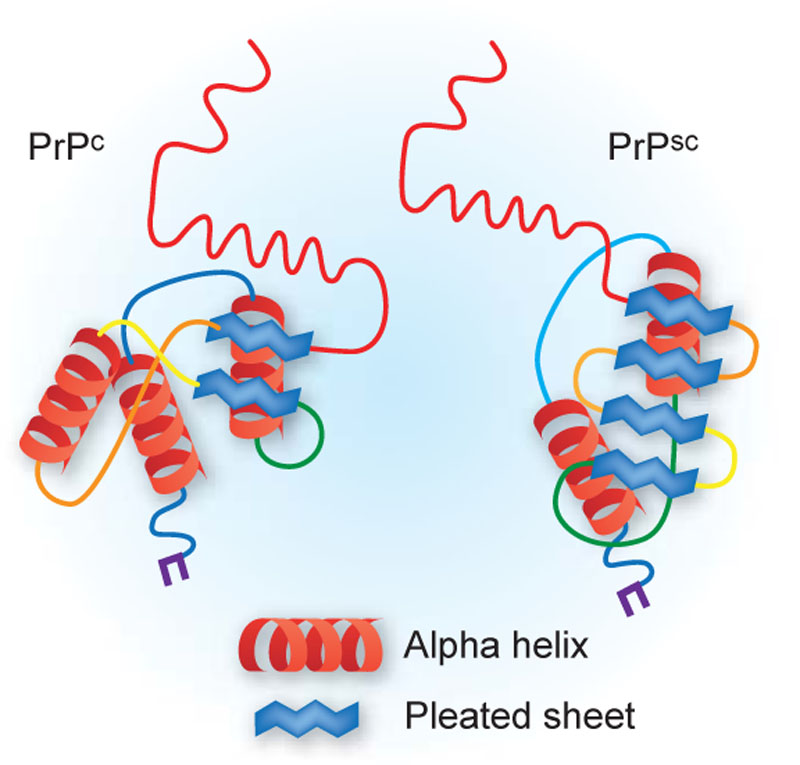
🧩 Pathology
- Selective degeneration of the thalamus (sleep–wake regulator).
- Involvement: inferior olivary nucleus, cerebellum, and spongiform changes in the cerebral cortex.
- Parietal, temporal, and frontal lobes often affected more than the occipital lobe.
📉 Disease Stages
- Stage 1: Subacute insomnia, psychiatric symptoms (phobia, paranoia, panic attacks), vivid/lucid dreams.
- Stage 2: Worsening insomnia, hallucinations, autonomic dysfunction (sympathetic hyperactivity).
- Stage 3: Total insomnia, complete breakdown of the sleep–wake cycle.
- Stage 4: Rapid cognitive decline, dementia, mutism, immobility → coma → death.
💊 Management
- No cure – treatment is supportive only.
- PEG feeding may be needed for nutrition.
- Early involvement of palliative care recommended.
📚 References
