
| Download the amazing global Makindo app: ✅ Means NICE/National Guidelines 2026 compliant Android | Apple | |
|---|---|
| MEDICAL DISCLAIMER: Educational use only. Not for diagnosis or management. See below for full disclaimer. |
Norwegian Scabies ✅
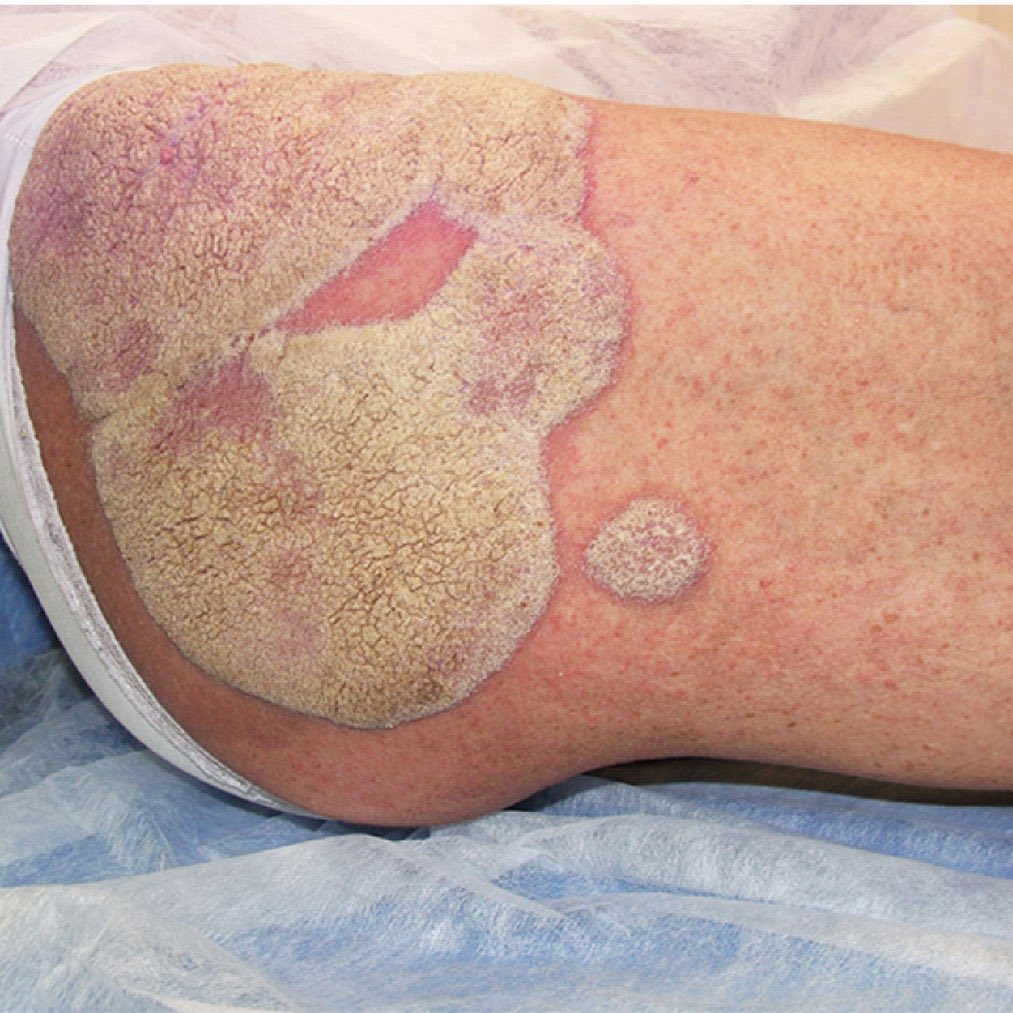
🕷️🧴 Norwegian scabies, now usually called crusted scabies, is a severe hyperinfestation with Sarcoptes scabiei mites. It is uncommon but highly contagious because the mite burden is far higher than in classical scabies. NICE CKS advises specialist dermatology advice if crusted scabies is suspected.
⚠️ Risk Factors
- 🛡️ Immunosuppression.
- 🧓 Frailty or institutional care.
- 🧠 Neurological impairment, including dementia.
- 🧬 Down syndrome.
- 🤲 Reduced ability to scratch.
- 🧴 Inappropriate use of potent topical corticosteroids.
- ⏳ Delayed or missed diagnosis of ordinary scabies.
🔍 Clinical Features
- 🪨 Thick crusted or hyperkeratotic plaques.
- 🌫️ Generalised scaly rash.
- 🤲 Prominent scale on finger webs, wrists, elbows, breasts, genitalia and buttocks.
- 💅 Scalp and nail involvement may occur.
- 😶 Itch may be mild or absent despite severe infestation.
- 🦠 Secondary bacterial infection may cause pain, crusting, cellulitis or sepsis.
💡 The key clinical trap is that itch may be much less prominent than in classical scabies. This happens because crusted scabies often occurs in people with impaired immune response or reduced scratching, allowing very large numbers of mites to proliferate within thickened stratum corneum.
🧪 Diagnosis
- 👀 Suspect clinically in a crusted, scaly rash with relevant risk factors.
- 🔬 Perform skin scrapings or microscopy where available.
- 🔍 Consider dermoscopy if trained.
- 🦠 Assess for secondary bacterial infection.
- 🛡️ Review for underlying immunosuppression or comorbidity.
🚨 Infection Control
- 🚨 Treat as highly contagious.
- 🏥 Isolate if in hospital or care setting.
- 🧤 Use contact precautions and barrier nursing.
- 📞 Inform infection prevention and control team.
- 🏠 Consider UKHSA or local health protection advice for care home or institutional outbreaks.
- 👥 Identify and manage close contacts.
✅ NICE-Aligned Management
- 🏥 Seek urgent specialist dermatology advice if crusted scabies is suspected.
- 🚫 Do not manage as simple scabies in isolation.
- 💊 Treatment usually requires combination therapy.
- 🧴 Topical permethrin 5% is commonly used.
- 💊 Oral ivermectin may be required under specialist guidance.
- 🧼 Keratolytics or emollients may be needed to soften crusts and improve topical penetration.
- 🦠 Treat secondary bacterial infection according to local antimicrobial guidance.
💊 Treatment Principles
- 🧴 Apply topical scabicide to the whole body as advised, including under nails and often scalp.
- 🔁 Repeat applications are usually needed.
- 💊 Oral ivermectin is often combined with topical therapy in crusted scabies.
- ⚠️ Check contraindications, pregnancy status, weight, liver disease and drug interactions.
- 📚 Use BNF, local guidance and specialist advice for dosing schedules.
🧠 Crusted scabies is difficult to eradicate because mites are protected within thick crusts. Keratolytic treatment, repeated topical therapy and systemic ivermectin may all be needed. Contacts and the environment must be managed carefully, otherwise reinfestation and outbreaks are common.
👥 Contacts and Environment
- 👥 Treat close contacts as advised by local guidance.
- ⏱️ Coordinate treatment timing to reduce reinfestation.
- 🧺 Wash clothing, bedding and towels at high temperature where possible.
- 🛍️ Bag unwashable items according to local infection control advice.
- 🧽 Clean rooms and soft furnishings in institutional outbreaks.
- 🏥 Do not forget staff exposure in care homes or wards.
📞 Refer or Escalate
- 🏥 All suspected crusted scabies needs specialist advice.
- 🚨 Escalate urgently if immunocompromised, septic, frail or in a care setting.
- 🧤 Seek infection control advice for hospitals, care homes or supported living.
- 🏥 Consider admission if severe disease, safeguarding concerns, inability to apply treatment or systemic infection.
🧠 Clinical Pearls
- 💡 Crusted scabies may not itch much.
- 💡 It is far more infectious than classical scabies.
- 💡 Think of it in frail, immunosuppressed or neurologically impaired patients with unexplained crusting.
- 💡 Potent topical steroids can mask and worsen infestation.
- 💡 Failure usually reflects inadequate contact treatment, poor topical penetration, missed diagnosis or environmental spread.
🖼️ Crusted Scabies in an HIV Patient
⚕️ Disclaimer
This article is for clinician education and revision. Management should follow current NICE CKS, local infection control policy, BNF guidance, local antimicrobial guidance and specialist dermatology or infectious diseases advice where needed.
| The content on this website is provided for educational and informational purposes only to support exam preparation (e.g., MLA, MRCP, USMLE) and learning. This is NOT medical advice, diagnosis, treatment, or professional guidance. It does not replace consultation with a qualified healthcare professional, official guidelines (e.g., NICE, GMC, BNF), or supervised clinical practice. Always verify information with current, authoritative sources. Makindo and its contributors accept no liability for any reliance on this content, including errors, omissions, or any resulting harm, loss, or consequences. By using this site, you agree to these terms. |
|
|
Categories
- About
- Acute Medicine
- Anaesthetics and Critical Care
- Anatomy
- Anatomy and Physiology
- Biochemistry
- Book
- Cardiology
- Collections
- CompSci
- Crib Sheets
- Critical care
- Dental
- Dermatology
- Differentials
- Drugs
- ENT
- Electrocardiogram
- Embryology
- Emergency Medicine
- Endocrinology
- Ethics
- Foundation Doctors
- GCSE
- Gastroenterology
- General Practice
- Genetics
- Geriatric Medicine
- Geriatrics
- Guidelines
- Haematology
- Hepatology
- Immunology
- Infectious Diseases
- Infographic
- Investigations
- Lists
- MRCP
- Mandatory Training
- Medical Students
- Microbiology
- Nephrology
- Neurology
- Neurosurgery
- Nutrition
- OSCE
- Obstetrics Gynaecology
- Oncology
- Ophthalmology
- Oral Medicine and Dentistry
- Orthopaedics
- Paediatrics
- Palliative
- Palliative Care
- Pathology
- Pharmacology
- Physiology
- Procedures
- Psychiatry
- Public Health
- Radiology
- Respiratory
- Resuscitation
- Revision Topics
- Rheumatology
- Statistics and Research
- Stroke
- Surgery
- Toxicology
- Trauma and Orthopaedics
- USMLE
- Urology
- Vascular Surgery