
| Download the amazing global Makindo app: ✅ Means NICE/National Guidelines 2026 compliant Android | Apple | |
|---|---|
| MEDICAL DISCLAIMER: Educational use only. Not for diagnosis or management. See below for full disclaimer. |
Carbohydrates
Related Subjects: | Carbohydrates | Lipids | Proteins
🧾 Introduction
Carbohydrates are a fundamental class of biomolecules essential for energy supply, structural integrity, cellular communication, and metabolic regulation. They are composed of carbon (C), hydrogen (H), and oxygen (O) - often following the general formula CnH2nOn. Their structural diversity - from simple sugars to large polymers - underpins their varied biological functions.
🔬 Chemical Structure and Classification
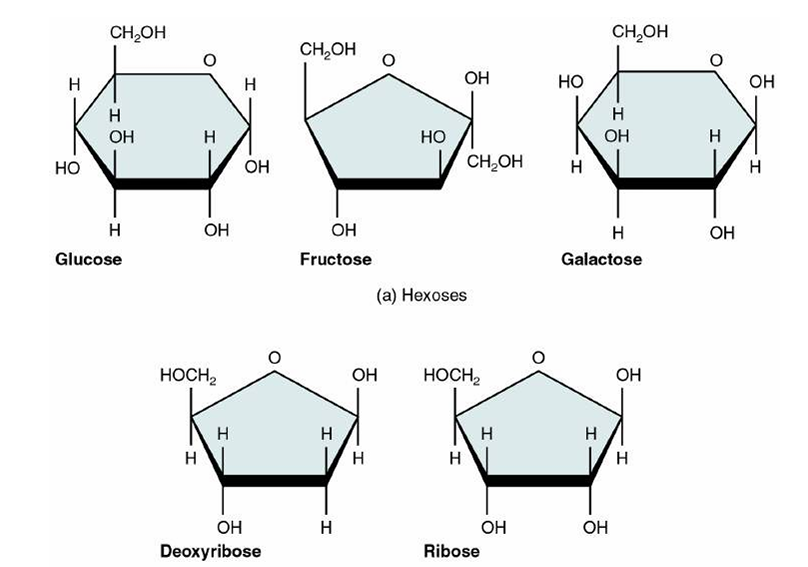
- Monosaccharides (simple sugars): The smallest carbohydrate units.
Examples:
- Glucose: primary energy substrate for most cells.
- Fructose: abundant in fruit, metabolised mainly in the liver.
- Galactose: component of lactose, crucial in infant nutrition.
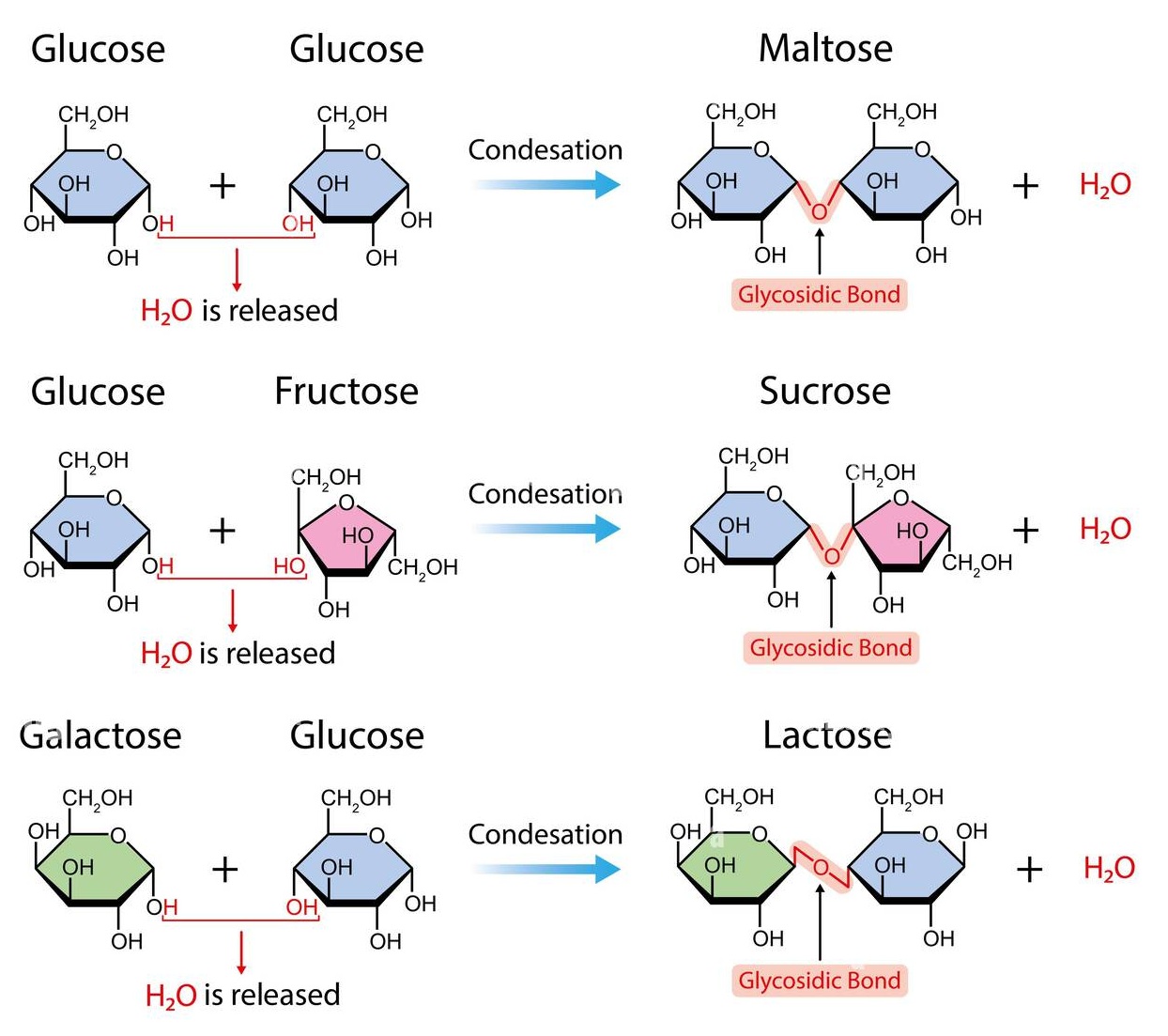
- Disaccharides: Formed by glycosidic bonds between two monosaccharides.
Examples:
- Sucrose: glucose + fructose.
- Lactose: glucose + galactose (requires lactase for digestion).
- Maltose: glucose + glucose.
- Oligosaccharides & Polysaccharides:
- Oligosaccharides: 3–10 sugar units, often important in glycoproteins (e.g., ABO blood group antigens).
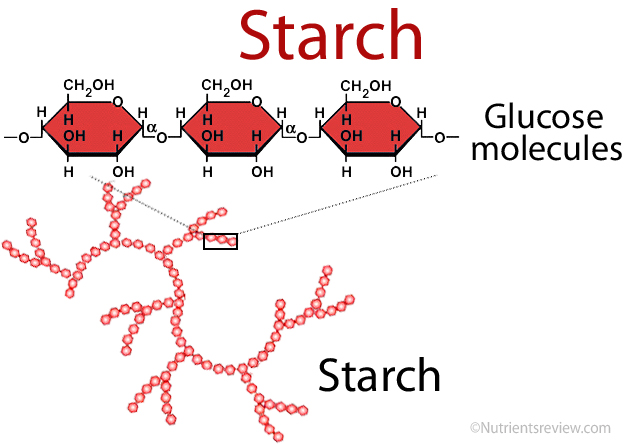
- Polysaccharides: long chains (hundreds to thousands of units).
- Starch: plant energy storage (amylose + amylopectin).
- Glycogen: animal storage form, highly branched, stored in liver and muscle.
- Cellulose: plant cell wall component; indigestible in humans (dietary fibre).
⚡ Energy Metabolism
Carbohydrates provide the most immediate source of ATP.
- Glycolysis: glucose → pyruvate → 2 ATP + NADH.
- Aerobic metabolism: pyruvate enters mitochondria → TCA cycle + oxidative phosphorylation → up to 36–38 ATP per glucose.
- Anaerobic metabolism: pyruvate → lactate (in hypoxia, e.g., exercising muscle).
- Glycogenolysis & Gluconeogenesis: regulate glucose supply during fasting/exertion.
🧠 The brain relies almost entirely on glucose (except in prolonged fasting, when ketones are used).
🏗️ Structural & Biosynthetic Roles
- Glycoproteins & Glycolipids: Form the glycocalyx on cell surfaces → crucial for immune recognition, adhesion, and receptor function.
- Nucleic Acids: Ribose (RNA) & deoxyribose (DNA) are sugars that form the genetic backbone.
- Connective Tissue: Glycosaminoglycans (e.g., hyaluronic acid, chondroitin sulfate) provide tensile strength and hydration.
💧 Water Solubility & Molecular Interactions
Carbohydrates contain multiple hydroxyl (-OH) groups → highly polar, soluble in water, and able to form hydrogen bonds. This property is key for:
- Transport in blood (e.g., glucose).
- Hydration shells around glycogen and starch granules.
- Hydrogen-bond networks that stabilise protein–carbohydrate interactions.
🌍 Biological & Clinical Importance
- ⚡ Energy: Immediate ATP source and storage (glycogen).
- 🧬 Genetics: Sugar-phosphate backbone of DNA/RNA.
- 🛡️ Immunity: Carbohydrate antigens define blood groups; pathogens often exploit glycoproteins for entry.
- 🥗 Nutrition: Carbohydrates provide 45–65% of daily energy intake (WHO recommendation).
- 🧪 Clinical relevance:
- Diabetes mellitus: impaired glucose handling.
- Lactose intolerance: deficiency of lactase → bloating, diarrhoea.
- Glycogen storage diseases: inherited enzyme defects (e.g., Von Gierke’s, McArdle’s).
- Metabolic syndrome: excessive refined carbohydrate intake contributes to insulin resistance.
📊 Quick Comparison Table
| Type | Examples | Main Role | Clinical Relevance |
|---|---|---|---|
| Monosaccharide | Glucose, Fructose | Energy substrate | Hypoglycaemia, Diabetes |
| Disaccharide | Sucrose, Lactose | Dietary energy | Lactose intolerance |
| Polysaccharide | Glycogen, Starch | Storage | Glycogen storage disorders |
| Structural | Cellulose, Glycosaminoglycans | Support & extracellular matrix | Joint/cartilage degeneration |
✅ Conclusion
Carbohydrates are far more than “sugars” - they underpin metabolism, structure, signalling, and immunity. From glucose fuelling neurons to glycoproteins shaping immune recognition, they form an indispensable part of health and disease. 👉 A deep understanding of carbohydrate biology is essential for managing diabetes, nutrition, infection, and metabolic disorders.
| The content on this website is provided for educational and informational purposes only to support exam preparation (e.g., MLA, MRCP, USMLE) and learning. This is NOT medical advice, diagnosis, treatment, or professional guidance. It does not replace consultation with a qualified healthcare professional, official guidelines (e.g., NICE, GMC, BNF), or supervised clinical practice. Always verify information with current, authoritative sources. Makindo and its contributors accept no liability for any reliance on this content, including errors, omissions, or any resulting harm, loss, or consequences. By using this site, you agree to these terms. |
|
|
Categories
- About
- Acute Medicine
- Anaesthetics and Critical Care
- Anatomy
- Anatomy and Physiology
- Biochemistry
- Book
- Cardiology
- Collections
- CompSci
- Crib Sheets
- Critical care
- Dental
- Dermatology
- Differentials
- Drugs
- ENT
- Electrocardiogram
- Embryology
- Emergency Medicine
- Endocrinology
- Ethics
- Foundation Doctors
- GCSE
- Gastroenterology
- General Practice
- Genetics
- Geriatric Medicine
- Geriatrics
- Guidelines
- Gynaecology
- Haematology
- Hepatology
- Immunology
- Infectious Diseases
- Infographic
- Investigations
- Lists
- MRCP
- Mandatory Training
- Medical Students
- Microbiology
- Nephrology
- Neurology
- Neurosurgery
- Nutrition
- OSCE
- Obstetrics
- Obstetrics Gynaecology
- Oncology
- Ophthalmology
- Oral Medicine and Dentistry
- Orthopaedics
- Paediatrics
- Palliative
- Palliative Care
- Pathology
- Pharmacology
- Physiology
- Procedures
- Psychiatry
- Public Health
- Radiology
- Renal
- Respiratory
- Resuscitation
- Revision Topics
- Rheumatology
- Statistics and Research
- Stroke
- Surgery
- Toxicology
- Trauma and Orthopaedics
- USMLE
- Urology
- Vascular Surgery