
| Download the amazing global Makindo app: ✅ Means NICE/National Guidelines 2026 compliant Android | Apple | |
|---|---|
| MEDICAL DISCLAIMER: Educational use only. Not for diagnosis or management. See below for full disclaimer. |
National Institutes of Health Stroke Scale (NIHSS)
Related Subjects: |Acute Stroke Assessment (ROSIER&NIHSS) |Atrial Fibrillation |Atrial Myxoma |Causes of Stroke |Ischaemic Stroke |Cancer and Stroke |Cardioembolic stroke |CT Basics for Stroke |Endocarditis and Stroke |Haemorrhagic Stroke |Stroke Thrombolysis |Hyperacute Stroke Care
What it’s for: NIHSS is a structured neurological exam that standardises stroke severity description and helps track change over time. It works best when you follow the script, do items in order, and score what you see on the first attempt.
Ground rules (do these every time)
- Do items in the official order and score immediately. Don’t go back and change scores.
- Score what you observe on the first attempt (don’t coach, don’t “practice run”).
- Document both: total NIHSS and the headline deficits (e.g., “NIHSS 9: gaze 2, aphasia 2, arm 3, neglect 2”).
- UN / Untestable only when there is a true barrier (e.g., amputation/joint fusion for limb items; intubation for dysarthria) and state the reason.
NIHSS
| Item | How you do it (script + technique) | Scoring anchors |
|---|---|---|
| 1a. LOC | Observe alertness. If reduced: voice → light touch → painful stimulus (e.g., trapezius pinch). | 0 alert • 1 drowsy/arousable • 2 needs repeated/painful • 3 coma/unresponsive |
| 1b. LOC questions | Ask: “What month is it?” and “How old are you?” (no cues/options). | 0 both correct • 1 one correct • 2 neither correct |
| 1c. LOC commands | Give two commands: “Open and close your eyes.” then “Grip and release my hand.” Use the non-paretic (normal) hand for the grip/release command. | 0 both correct • 1 one correct • 2 neither correct |
| 2. Best gaze |
Test horizontal eye movements: “Follow my finger” left/right.
Score forced deviation if gaze is fixed and cannot be overcome.
Note: oculocephalic manoeuvre is only for selected cases if appropriate/safe. |
0 normal • 1 partial palsy • 2 forced deviation/total (not overcome) |
| 3. Visual fields | Confrontation (finger counting/movement). If abnormal, repeat each eye individually where possible; in reduced LOC/aphasia, visual threat may help. | 0 none (or coma) • 1 partial • 2 complete hemianopia • 3 bilateral/cortical blindness |
| 4. Facial palsy | “Show me your teeth/smile.” “Raise your eyebrows.” “Close your eyes tight.” If cannot follow commands, score at rest + grimace. | 0 normal • 1 minor • 2 partial (lower face) • 3 complete |
| 5a/5b. Motor arm | Test each arm separately for 10 seconds. Sitting: 90°. Supine: 45°. Palm down. Start with the non-paretic limb. | 0 no drift • 1 drift • 2 some effort vs gravity • 3 no effort vs gravity • 4 no movement • UN (explain) |
| 6a/6b. Motor leg | Supine: lift leg to 30° for 5 seconds (each side). Score drift/fall. | 0 no drift • 1 drift • 2 some effort vs gravity • 3 no effort vs gravity • 4 no movement • UN (explain) |
| 7. Limb ataxia | Finger–nose–finger and heel–shin. Only score if ataxia is out of proportion to weakness. If cannot test due to severe weakness/amputation → UN. | 0 absent (or coma) • 1 one limb • 2 two+ limbs • UN (explain) |
| 8. Sensory | Pinprick/sharp-dull to face/arm/leg comparing sides. In obtunded/aphasic patients use grimace/withdrawal to noxious stimulus. | 0 normal • 1 mild/moderate (“not as sharp”) • 2 severe/total: not aware of being touched (or coma) |
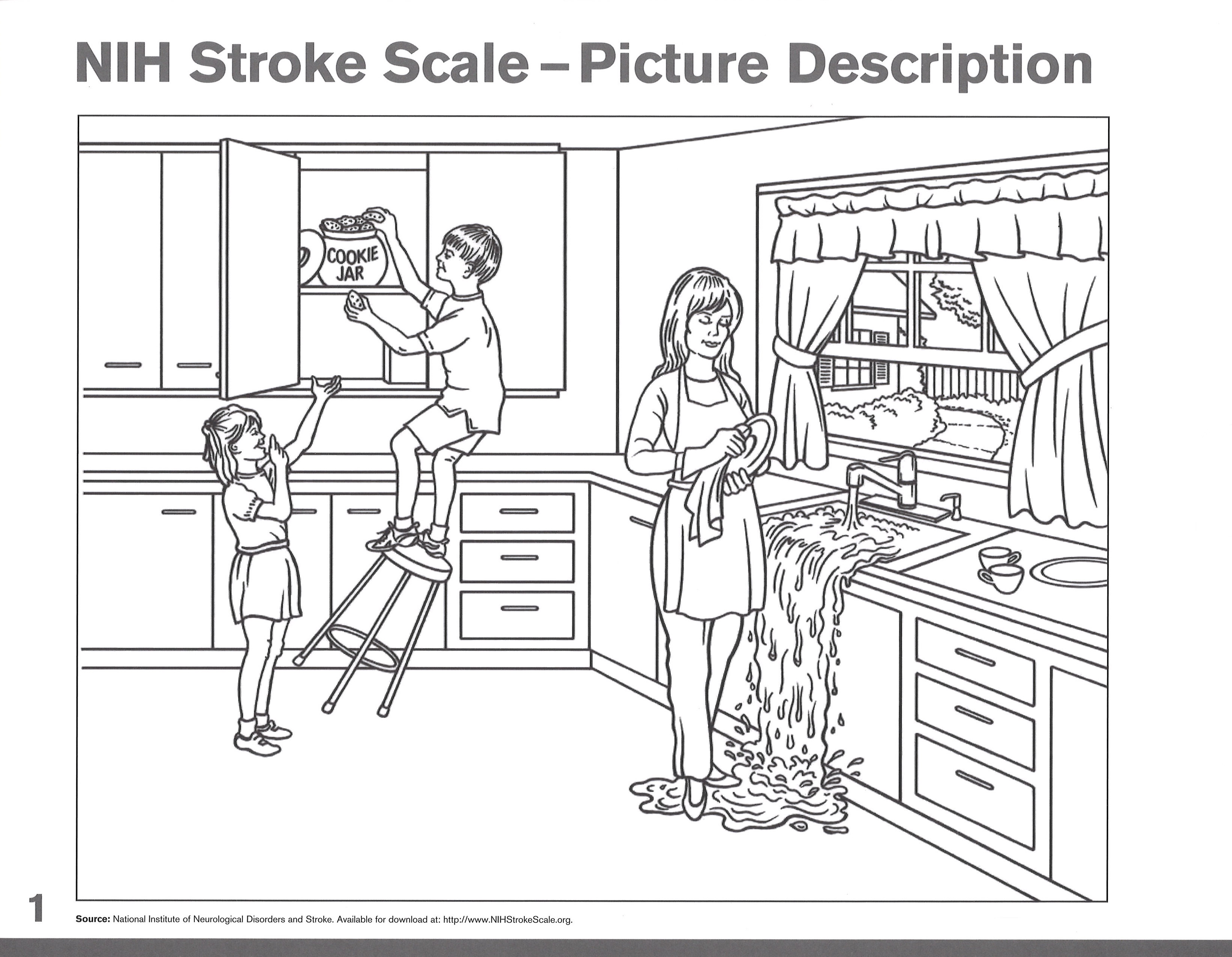
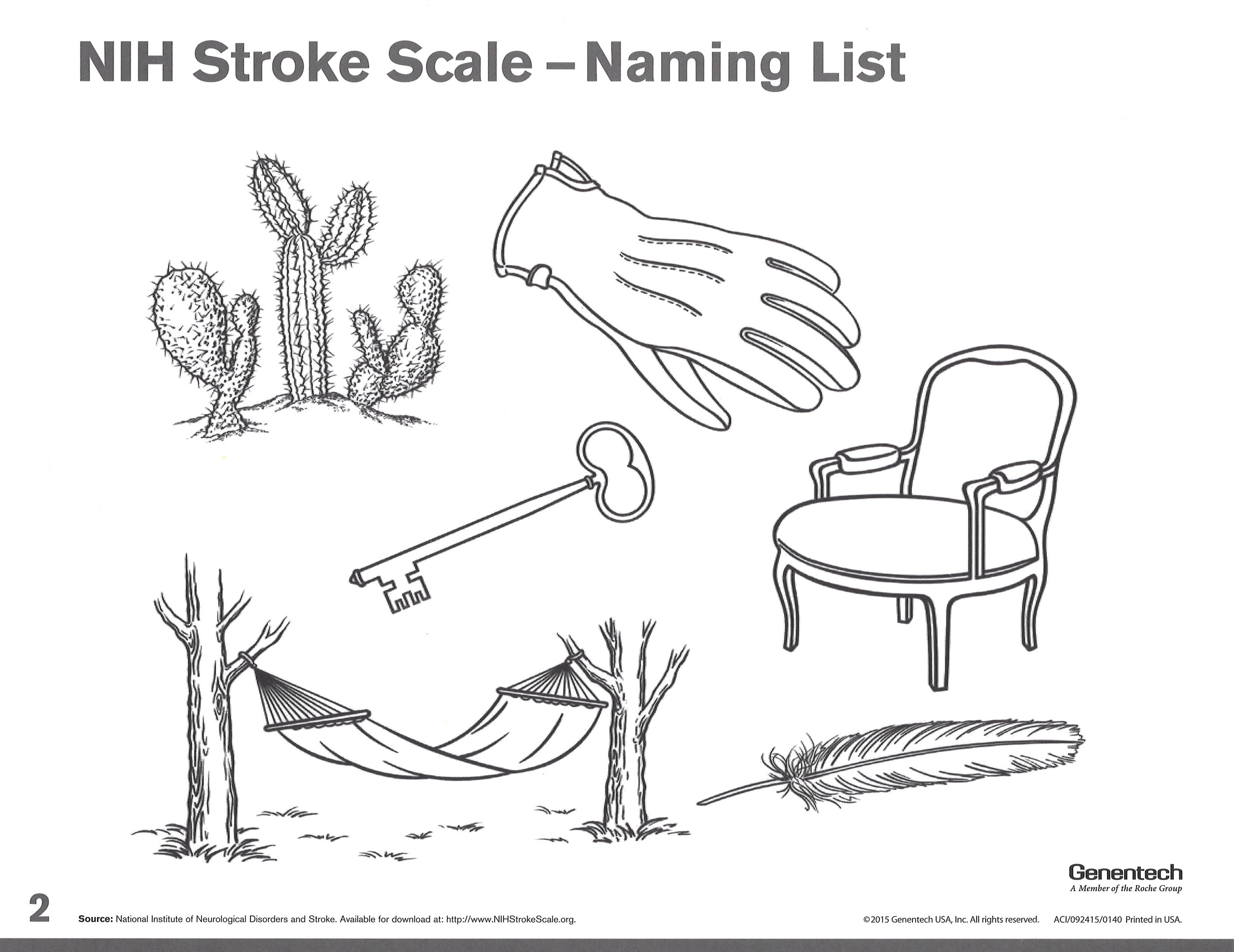
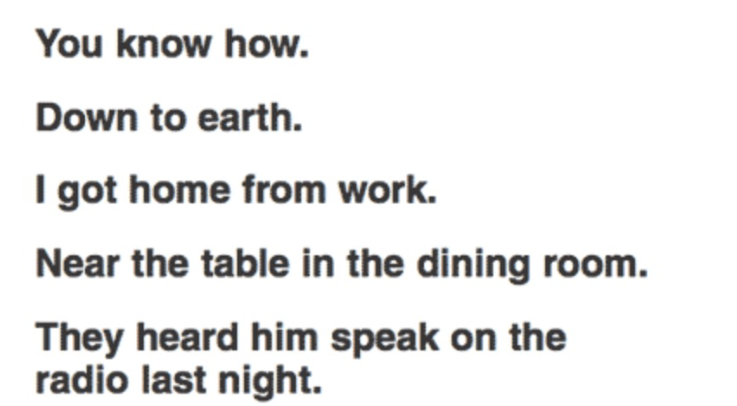
| 9. Best language (aphasia) | Use the standard materials: picture description, naming, and sentence reading. Score overall aphasia severity (fluency + comprehension + naming). | 0 none • 1 mild/moderate • 2 severe • 3 mute/global (or coma) |
| 10. Dysarthria | Ask patient to read/repeat the standard word list. If aphasic, judge articulation from spontaneous speech if needed. If intubated/physical barrier → UN. | 0 normal • 1 mild/moderate • 2 unintelligible or mute/anarthric or coma • UN intubated/physical barrier (explain) |
| 11. Extinction & inattention (neglect) | Double simultaneous stimulation (visual/tactile/auditory) + behavioural evidence during earlier items (fields/conversation). Test left, right, then both. | 0 none (or coma) • 1 extinction/one modality • 2 profound multi-modality neglect |
Common NIHSS pitfalls (the “issues” that matter clinically)
- Posterior circulation under-scored: severe disability risk can coexist with a low NIHSS (e.g., truncal ataxia, dysphagia, diplopia). Don’t let a low score falsely reassure you.
- NIHSS 0 ≠ no stroke: small cortical/posterior infarcts can score 0; NIHSS is a deficit quantifier, not a diagnostic rule-out test.
- Subjective items drift most: ataxia, sensory and neglect are where rater variability bites-use strict scripting and document what you saw.
- Totals hide anatomy: the pattern (gaze, aphasia, neglect, hemianopia) is often more informative than the final number-always document key components.
Reference materials (images) to embed on this page
- NIHSS score sheet / proforma (PDF download)
- Item 9 language cards: (a) picture description stimulus, (b) naming sheet, (c) sentence reading list
- Item 10 dysarthria: standard word list
Key references (NIHSS-specific)
- NIHSS “one-page” scoring anchors (sensory, dysarthria, neglect, language). PDF
- NHS Scotland NIHSS proforma (clear coma handling, UK-friendly). PDF
- MUSC NIHSS cheat sheet (quick bedside technique reminders + language card workflow). PDF
- NINDS: NIH Stroke Scale updated with new visual stimuli (2024). NINDS page
- Stockbridge MD, et al. New picture stimuli for NIHSS: validation study (details of updated language stimuli). Stroke (AHA)
| The content on this website is provided for educational and informational purposes only to support exam preparation (e.g., MLA, MRCP, USMLE) and learning. This is NOT medical advice, diagnosis, treatment, or professional guidance. It does not replace consultation with a qualified healthcare professional, official guidelines (e.g., NICE, GMC, BNF), or supervised clinical practice. Always verify information with current, authoritative sources. Makindo and its contributors accept no liability for any reliance on this content, including errors, omissions, or any resulting harm, loss, or consequences. By using this site, you agree to these terms. |
|
|
Categories
- About
- Acute Medicine
- Anaesthetics and Critical Care
- Anatomy
- Anatomy and Physiology
- Biochemistry
- Book
- Cardiology
- Collections
- CompSci
- Crib Sheets
- Critical care
- Dental
- Dermatology
- Differentials
- Drugs
- ENT
- Electrocardiogram
- Embryology
- Emergency Medicine
- Endocrinology
- Ethics
- Foundation Doctors
- GCSE
- Gastroenterology
- General Practice
- Genetics
- Geriatric Medicine
- Geriatrics
- Guidelines
- Haematology
- Hepatology
- Immunology
- Infectious Diseases
- Infographic
- Investigations
- Lists
- MRCP
- Mandatory Training
- Medical Students
- Microbiology
- Nephrology
- Neurology
- Neurosurgery
- Nutrition
- OSCE
- Obstetrics Gynaecology
- Oncology
- Ophthalmology
- Oral Medicine and Dentistry
- Orthopaedics
- Paediatrics
- Palliative
- Palliative Care
- Pathology
- Pharmacology
- Physiology
- Procedures
- Psychiatry
- Public Health
- Radiology
- Respiratory
- Resuscitation
- Revision Topics
- Rheumatology
- Statistics and Research
- Stroke
- Surgery
- Toxicology
- Trauma and Orthopaedics
- USMLE
- Urology
- Vascular Surgery